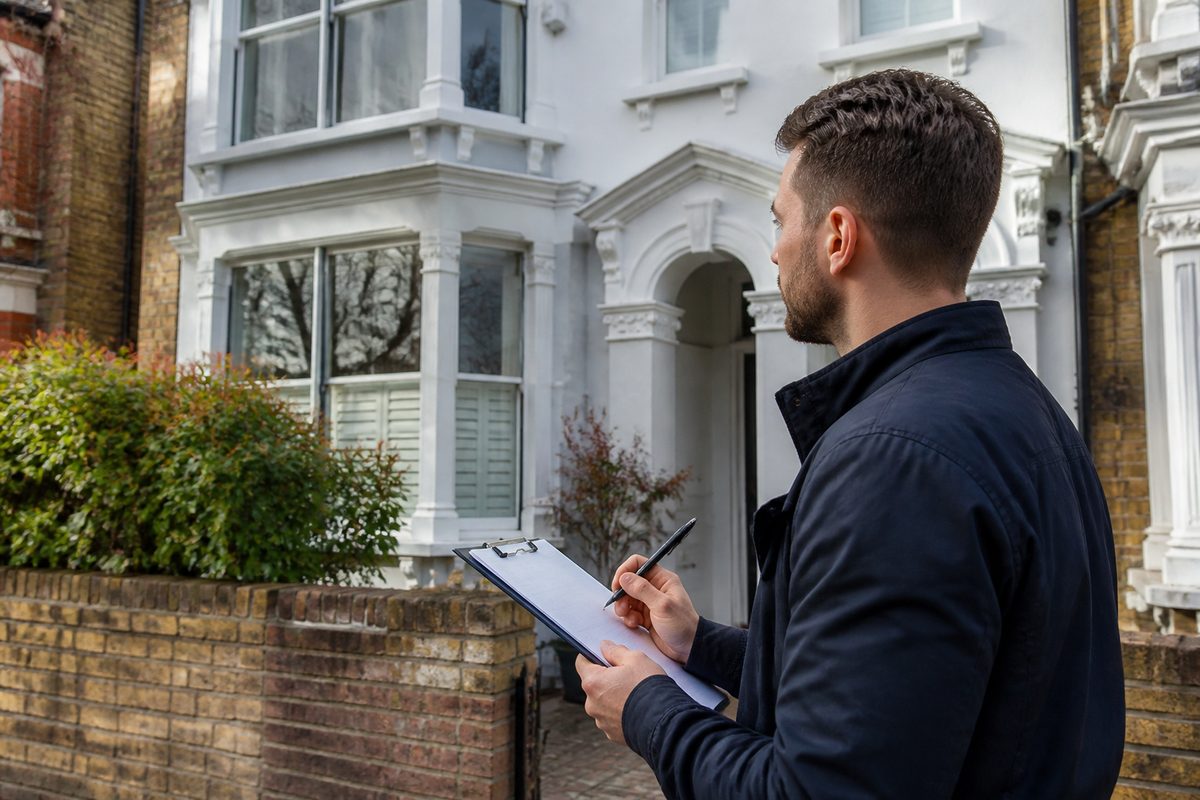
A safe Bayswater purchase starts with checking what can affect the property before you decide what it is worth. The asking price and fresh paint tell you little about planning limits, repair costs, legal rights, traffic, drainage or nearby development. Good Due diligence joins these facts into one clear buying decision.
First confirm which Bayswater you are researching. Australia has suburbs with that name in different states, and each sits under different councils, planning rules and property laws. Use the full street address and lot details whenever you search a planning map, order a report or speak with a conveyancer.
How should you set a price limit before inspecting homes?
Your price limit should come from the full cost of owning the property, not the largest Loan a bank may approve. Start with your deposit, buying costs, planned repairs and a cash reserve. Keep the reserve outside the amount you intend to bid.
Finance approval also needs to match the home you may buy. A lender can treat an apartment, renovated house, vacant property or unusual title in different ways. Ask whether your approval has limits on property type, floor size, condition or postcode. Confirm when the approval expires and what must happen before the lender gives final approval.
Do not treat pre-approval as a promise to fund any purchase. The lender will still assess the contract and complete its own valuation. If that valuation falls below your offer, you may need a larger deposit. This is why your limit must rest on Market value rather than the selling agent's price guide.
Which sales evidence should you trust?
Use recent settled Sales for homes that buyers would view as real alternatives. Compare land size, building condition, title type, parking and position within the suburb. A renovated home on a quiet street is weak evidence for an older home beside a busy road.
Sale date matters because buyer demand and borrowing costs can change. Give the most weight to close matches sold under similar conditions. An advertised price is not evidence of value. A withdrawn listing is not a completed sale.
Record your adjustments in plain language. For example, a comparable home may have a newer roof but less land. Another may have the same floor area but better natural light. This process will not create a perfect figure. It will reveal whether your offer has a sound base.
What planning checks should happen before you make an offer?
Search the official state and council planning records using the exact address. Check the Zoning, overlays and any planning permits linked to the site or nearby land. These controls can affect extensions, tree removal, demolition, parking and future use.
Do not assume a large block can be divided. Lot shape, access, minimum garden areas, drainage and local policy may block a project that looks simple on a map. If future development forms part of your reason for buying, ask a qualified town planner to test the idea before the contract becomes unconditional.
Look beyond the lot boundary. A permit for apartments, late-night trade or a large Construction project nearby may change noise, traffic or privacy. A current open view can disappear if adjoining land has development rights.
Planning approval does not prove that existing building work was approved. Ask for permits and final inspection records for extensions, decks, sheds, pools or converted garages. If records do not match the home, your building inspector and conveyancer should assess the risk before you proceed.
Why does an easement matter?
An Easement gives another party a legal right over part of the land. It may protect a sewer, drain, power line or access route. You may be unable to build over that area, and an authority may need access for repairs.
Read the title plan with the physical property in front of you. Check whether a garage, retaining wall or extension sits over the Easement. A structure may look permanent while still limiting access or creating approval issues.
What should the contract reveal before you sign?
Have a conveyancer or property lawyer review the full contract before you sign or bid. They should confirm the title, registered interests, settlement terms and disclosure documents. Ask them to explain any clause that shifts unusual risk to the buyer.
The Vendor may have legal rights to change settlement dates, keep certain items or require penalties after delay. Fixtures should also be clear. Built-in appliances, solar equipment, security systems and garden structures can cause disputes when the contract does not state what stays.
For an apartment or townhouse, review the owners corporation or strata records. Look at current fees, insurance cover, planned works, meeting minutes, disputes and unpaid debts. A low quarterly fee can mean the scheme has too little money for major repairs.
Read special conditions closely. A contract can limit your right to raise defects, change the usual adjustment process or make the property subject to a lease. Standard-looking paperwork still needs professional review.
Should your offer include conditions?
A finance condition can protect you if the lender refuses final approval, but its wording and dates matter. A building and pest condition can provide a way to respond to serious defects. Your conveyancer should draft or approve each condition because casual wording may offer little protection.
An unconditional offer carries more risk. If Finance fails, the valuation comes in low or the inspection uncovers major damage, you may still have to complete the purchase. Do not remove a protection simply because another buyer might bid.
Which physical faults deserve the closest attention?
Focus on faults that spread, affect safety or cost heavily to repair. Water entry, ground movement, termite damage, failing roofs and poor drainage deserve more attention than worn carpet. Hire an independent building and pest inspector who works for you.
Attend the inspection if possible. Ask the inspector to show you the defect, likely cause and next test. A moisture mark may come from a roof leak, failed shower seal or plumbing fault. Each cause has a different repair path.
Check whether floors slope, doors stick or cracks continue through brickwork. Look under sinks and around showers. Inspect gutters, downpipes and the direction water travels after leaving the roof. Soil piled against walls and garden beds above internal floor level can raise moisture risk.
For an older home, ask about electrical safety, plumbing materials, insulation and heating or cooling systems. A standard inspection may exclude specialist testing. Arrange an electrician, plumber or engineer when the first report identifies a concern outside the inspector's scope.
For newer Construction, do not assume age means quality. Check waterproofing, drainage falls, sealants and completion records. Fast cosmetic work can hide poor detail. New paint over one wall deserves a question if nearby walls show stains or cracks.
How can you test the neighbourhood rather than guess?
Visit the exact street at times that match your likely routine. A calm Saturday inspection can hide weekday traffic, school pickup queues or evening venue noise. Park nearby, walk the block and listen with the car engine off.
Test the trip to places you will use often. Time the route during the real travel period rather than relying on a map estimate. Check the walk to public transport, lighting after dark and whether major roads are hard to cross.
Stand inside the home with windows open and closed. Listen for trains, aircraft, workshops, dogs and mechanical equipment. Noise can change between the front and rear bedrooms. Fences and trees may soften what you hear without removing it.
Look for water paths after rain if timing allows. Low driveways, steep neighbouring blocks and blocked street drains can send water toward a home. Ask the council and your conveyancer about available flood or drainage information. Speak with an Insurance provider before committing because the premium or available cover may expose a risk that was not clear at inspection.
Privacy also needs a future test. Check windows and balconies on adjoining properties. Then review what nearby sites may legally build. A private backyard today may sit beside a permitted upper floor later.
What should you ask the agent without relying on the answer?
Ask why the owner is selling, how long the property has been available and whether earlier contracts failed. Ask about known defects, unapproved work, flooding, disputes and current leases. Write down the answers and seek documents that confirm them.
The selling agent works for the Vendor. That does not make every answer wrong, but it means you must verify claims through reports, records and your own advisers. Phrases such as development potential, easy renovation and quiet position are marketing claims until evidence supports them.
Ask for the contract early. Request permit records, rental documents and owners corporation papers where relevant. If a document will arrive after the auction or after your offer expires, decide whether you can safely proceed without it.
How do you turn defects into a buying decision?
Sort each finding by its effect on safety, use, cost and resale. Obtain quotes for large or unclear repairs. Add a buffer because work can expose hidden damage once walls, floors or soil are opened.
Do not subtract every repair dollar from the asking price. Some faults may already be reflected in comparable sales. Others can make the home unsuitable even after a discount. A drainage problem that returns each winter may affect daily life and future buyers more than its first repair quote suggests.
One buyer might say, I can replace the kitchen later, but I cannot move the road. That is a useful test. Cosmetic faults can often wait. Poor orientation, a difficult access point or an unwanted adjoining use stays with the property.
Set walk-away rules before negotiations begin. These could include a failed Finance deadline, missing permits, a major structural finding or total costs above your limit. Written rules reduce the chance that auction pressure changes your decision.
Which costs are easy to miss after settlement?
Allow for transfer duty where it applies, conveyancing, inspections, lender fees and moving costs. Then price immediate safety work, locks, urgent maintenance and service connections. Check current state rules rather than using an old online estimate.
Ongoing costs include council rates, water charges, Insurance, owners corporation fees and routine maintenance. A house with mature trees, a pool or extensive timber may need more care than a smaller property at the same purchase price.
Keep funds for early surprises. Sellers may have delayed maintenance before listing, and some faults appear only after heavy rain or regular use. Spending every available dollar at settlement can turn a manageable repair into a cash problem.
What should you do before making the property yours?
- Confirm the exact Bayswater address, council area and title details.
- Set a purchase limit that includes buying costs, known repairs and a reserve.
- Compare recent settled sales and write down why each property is stronger or weaker.
- Review Zoning, overlays, permits, nearby proposals and every Easement.
- Have the contract and title checked by a conveyancer or property lawyer.
- Arrange independent building and pest inspections, plus specialist checks where needed.
- Visit the street during real travel and noise periods.
- Confirm Loan conditions, valuation risk and Insurance availability before removing protections.
- Complete a final inspection shortly before settlement and record any agreed repairs or included items.
Build one written property file before you bid, then walk away if any unchecked planning, legal, physical or neighbourhood risk could push the home beyond your price limit.