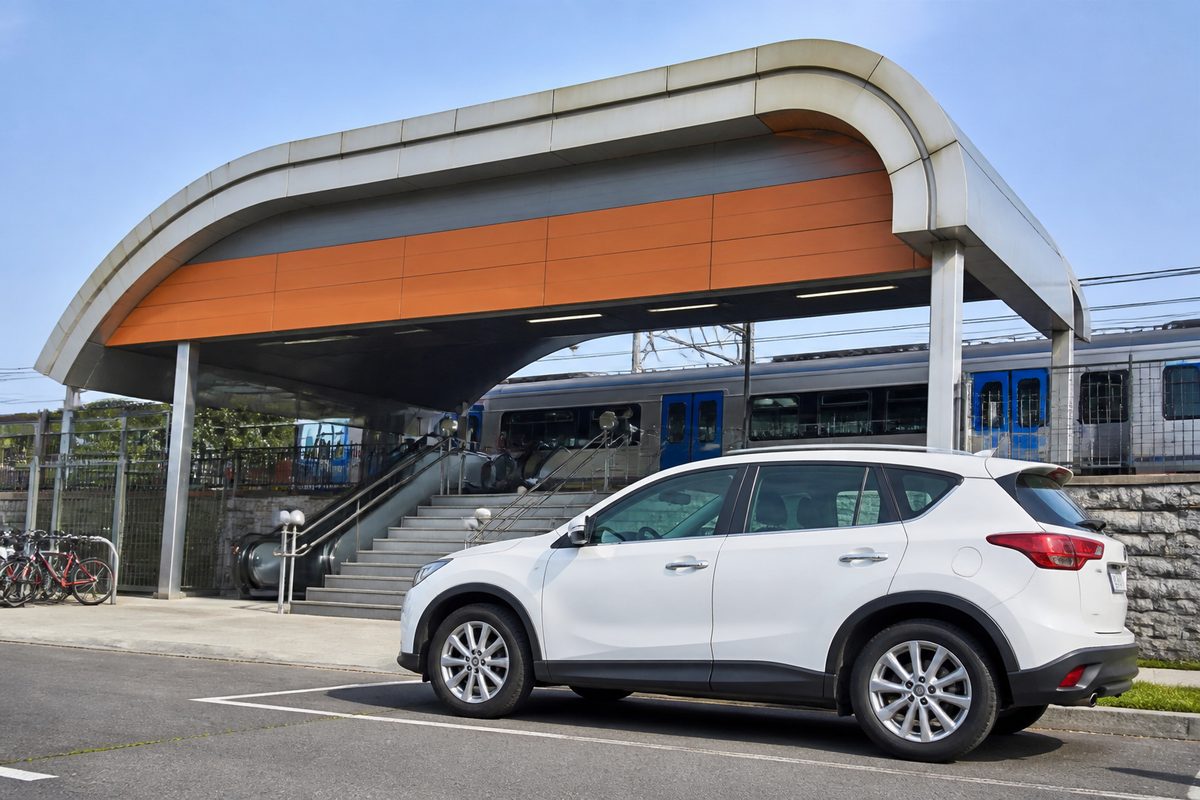
Bayswater Station supports train, bus, bicycle, walking, parking and passenger pick-up trips, but you should choose your access point before you arrive. The rebuilt Bayswater railway station, Perth is a major interchange with several platforms and transport links. Its size makes transfers easier once you understand the layout. It can also make a rushed first visit confusing.
This guide explains how to approach the station, where each type of trip fits and what to check before leaving home. Temporary traffic controls, maintenance work and service changes can affect access. Confirm current details through Transperth before any trip where timing or step-free access matters.
What should you know before arriving?
Bayswater is more than a local Train station. It comparing train and car commutes, walking routes, cycling facilities and road access. People may be changing trains, meeting a bus or leaving the station at the same time. The best entrance for one passenger may be inconvenient for another.
Start by deciding what your whole trip looks like. Ask which service you need, which side of the station you will approach and how you will complete the final part of the journey. A driver collecting someone needs different information from a commuter locking a Bicycle. A passenger using a mobility aid must also allow time for lifts and platform changes.
The station's Infrastructure is designed to separate many of these movements. Signs guide passengers toward platforms, exits and connecting services. Follow those signs instead of taking the first stairway or exit you see. A wrong exit can leave you on the less useful side of the rail corridor.
How does parking work near the station?
Do not assume there will be a large space waiting beside the entrance. Parking close to a busy interchange can fill early, and nearby streets may have time limits or permit controls. Check the official station information and read every sign where you park.
A designated Parking lot is safer than leaving a car in an unsigned space or blocking access near a business. Confirm the hours, bay restrictions and any payment or registration rule before walking away. An empty bay does not always mean unrestricted parking.
Park and ride works best when you arrive with a backup plan. Save the location of another legal parking option or choose a nearby station with facilities that better suit your schedule. If a trip has a fixed start time, allow enough time to find a bay and walk to the platform.
Drivers should also keep accessible bays free unless they hold the required permit. These bays are placed to reduce distance and barriers for passengers who need them. Parking across a kerb ramp, footpath or marked crossing can prevent a wheelchair user or Pedestrian from reaching the station safely.
What should drivers check after parking?
- Read the full parking sign, including limits that apply only on certain days.
- Lock the vehicle and remove bags, tools and loose valuables from view.
- Note the entrance used so the return walk is easy after dark.
- Allow time to cross roads through marked paths and signals.
- Check the last suitable service before an evening trip.
A common mistake is timing the trip from the parking bay rather than from the platform. The walk, road crossing and trip through the station all take time. Add this access time before choosing a train.
Can passengers travel through the station without using stairs?
Step-free travel is available through accessible paths and lifts, but passengers should confirm that the required lift is operating before departure. A working lift matters when travelling with a wheelchair, walking frame, pram, heavy case or temporary injury.
Follow the blue accessibility signs from the station approach. They direct passengers toward suitable entrances, lifts and platform routes. Avoid following a crowd onto stairs if you need a step-free path. The accessible route may begin from a different point.
Allow more transfer time than an able-bodied passenger would need. Reaching another platform can involve leaving one lift, crossing a concourse and entering a second lift. Crowds can add another delay. Boarding near the front of a busy flow may also be hard for someone who needs more space.
Tactile ground markings help passengers locate safe paths and platform edges. They are navigation and warning features, so bags, bicycles and waiting groups should never cover them. Keep clear of lift doors and accessible boarding areas as well.
If you need boarding help, contact Transperth before travelling or speak with station staff where available. State the service, travel time and type of help required. Clear details let staff give useful advice instead of guessing what support you need.
How can a carer or companion make the trip easier?
Check the route before moving away from the entrance. One person can confirm the platform while the other stays with the passenger and luggage. At interchange stations, this simple step avoids extra lift trips.
When travelling with a pram, secure loose items before entering a lift or boarding. Keep children close and cross the platform gap with care. Wheelchairs should face the safest direction for boarding based on staff guidance and available space.
Where should you leave a bicycle?
Use the station's marked bike storage facilities rather than railings, signs or access barriers. Official storage places the Bicycle away from walking paths and lowers the risk of blocking an entrance. Availability and access rules can change, so check the current Transperth station page before relying on a secure enclosure.
Use a strong lock through the frame and a fixed rack. If possible, secure both wheels. Remove lights, bags, pumps and other parts that can be taken quickly. Record the bicycle's serial number and keep a clear photo in case it is stolen.
In my experience, the weak point is often the lock rather than the rack. A thin cable may stop a casual attempt, but it offers little resistance to a basic cutting tool. A quality D-lock or heavy chain is a better choice for a bicycle left through the workday.
Do not lock a bike to fencing near a platform, lift or Bus stop. It may narrow the path for passengers and could be removed if it creates a safety risk. Leave enough room around racks for another rider to park without moving your bicycle.
Should you take a bike onto the train?
Check the current rules for bicycles before boarding, especially during busy periods. Restrictions can depend on travel direction, time and available space. Folded bikes may be treated differently, but passengers must still keep doors and aisles clear.
Stand where the bicycle will not block passengers leaving the carriage. Let people get off before boarding. During disruption, staff may direct riders to another position or service. A rider who cannot take the bike aboard should know where approved storage is located.
Where should someone pick you up or drop you off?
Use a signed passenger set-down or pick-up area where one is available. Do not stop in a bus lane, bicycle lane, intersection, accessible bay or moving traffic lane. Station roads serve several transport modes, so an unsafe stop can delay many people.
The passenger and driver should agree on an exact side and named meeting point. Saying “outside the station” is too vague at a large interchange. Use a street name, signed zone or clear entrance. Share the train's expected arrival time, then send an update after reaching the meeting point.
The passenger should wait off the road until the vehicle arrives. The driver should remain only as long as the signs allow. If the train is delayed, move to legal parking rather than circling or holding a loading area.
When I plan a station collection, I build in time for the passenger to leave the platform. A train's arrival time is not the curbside meeting time. Lifts, crowds and a long platform walk can add several minutes.
What if the passenger needs close assistance?
Choose a legal point with a short, step-free route. Confirm the correct station side before the driver arrives. If the passenger cannot wait alone, a companion may need to park legally and meet them inside the station instead of waiting in a live traffic area.
Never use an accessible bay as a general collection point. A permit holder may need it at once. Keep kerb ramps and marked crossings clear even during a brief stop.
How do buses connect with train services?
Check the route number and stand before joining a queue. bus connections from Bayswater, and buses travelling in opposite directions can leave from different places. Electronic displays and fixed signs help confirm the correct departure point.
Allow a transfer margin between train and bus services. A timetable may show that a connection is possible, but it cannot remove the time needed to leave the platform and reach the stop. Passengers using lifts should allow more time.
Stand back from the kerb until the correct bus arrives. Signal clearly when required and let passengers leave before boarding. Have your fare card ready so the queue keeps moving.
At night, wait in a lit area where the driver can see you. If a service is cancelled, check the journey planner before walking to another stop. The closest stop may not serve the same route.
Where can you find a taxi or arrange a booked ride?
Look for current station signs before expecting a dedicated Taxi stand. A rank may be moved during road works or changes to station access. If no Taxi is waiting, book one and give the driver a precise collection point.
For app-based rides, check the registration plate and driver details before entering. Do not ask a driver to stop where signs ban standing or where the vehicle would block a bus. A short walk to a safe meeting place is better than a dangerous roadside collection.
Passengers with wheelchairs should request a suitable vehicle when booking. Tell the operator whether the chair is folding or whether the passenger must remain seated in it. This prevents a standard vehicle arriving when an accessible Taxi is required.
Late at night, wait in a well-lit public area and track the booked vehicle through the provider's system. Share the trip details with someone you trust when travelling alone.
What is the safest way to reach the entrance on foot?
Use marked crossings, signals and station paths. Do not take a shortcut across traffic lanes or through a bus movement area. A direct line may look faster, but drivers may not expect a Pedestrian there.
Stay alert near driveways and pick-up zones. Vehicles may reverse or turn while the driver watches for a passenger. Make eye contact where possible and wait until a vehicle has stopped before crossing its path.
At night, choose the best-lit route. Keep headphones low enough to hear traffic and announcements. If walking from a new direction, open a map before leaving the station so you do not stop in a crowded exit to work out the route.
People travelling with children should hold hands near roads and platforms. Keep dogs on a short lead where permitted. Large bags should stay beside you rather than across the walking path.
How much time should you allow for the transfer?
Allow extra time on your first visit. Ten minutes may be enough for a simple entrance-to-platform trip when everything runs well, but complex transfers can take longer. Add time if you must park, use a lift, collect a ticket, lock a bicycle or find a bus stand.
Check live departures before entering the station. Platform changes and service disruptions can turn a tight connection into a missed one. Read station screens after arrival because the saved platform from a past trip may no longer apply.
Use this order when planning:
- Confirm the line, direction and departure time.
- Choose the station side and access method.
- Check parking, lift or bike storage information that affects the trip.
- Add walking and transfer time.
- Set one clear meeting point if another person is involved.
This method removes the most common source of station stress: making access decisions after arriving.
What should you check just before leaving home?
- Open the current Transperth journey planner and confirm the service.
- Check alerts for lift outages, platform changes and replacement buses.
- Confirm legal parking or a safe pick-up location.
- Save the exact bus stand, station entrance or meeting point.
- Carry a suitable lock if cycling.
- Leave enough time to reach the platform without rushing.
Station conditions can change faster than a static guide. Official alerts and signs should take priority over an old map, saved screenshot or past routine.
Before every trip, confirm your service and access point with Transperth, then arrive early enough to follow the signed route safely.